


The military is often perceived as a stereotypically “hyper-masculine” organization where both women and 2SLGBTQI+ soldiers in Canada have in the past had to hide some aspects of themselves to fit in.
This HillStudy examines several ways in which women and 2SLGBTQI+ veterans continue to be disadvantaged compared to the general veteran population, including physical and mental health, the transition to civilian life, and post-military income. It also finds that the experiences of Canadian women and 2SLGBTQI+ veterans are similar to those reported in Australia, the United Kingdom and the United States.
Women veterans continue to face poorer outcomes following their transition to civilian life, including lower incomes, compared to men veterans. They are also more likely to suffer from repetitive strain injuries and mood disorders. 2SLGBTQI+ veterans report higher rates of psychological health issues compared to the veteran population as a whole. Finally, military sexual trauma continues to negatively affect the mental and physical health of both women and 2SLGBTQI+ veterans.
Traditionally, a soldier is pictured as tough, strong and willing to sacrifice his life. In other words, “[t]he ideal soldier is conceptualised as a man, heterosexual, hyper‑masculine and warrior-like.” 1 Neither women nor Two-Spirit, lesbian, gay, bisexual, transgender, queer and intersex people, or other sexually and gender-diverse people (2SLGBTQI+) are generally seen to fit this mould. To perform in a cohesive unit, women and 2SLGBTQI+ people are still sometimes encouraged to play down characteristics that do not match this ideal.
Despite changes in society, legal obligations and policies promoting diversity, institutions such as the Canadian Armed Forces (CAF) and the Royal Canadian Mounted Police (RCMP) have been slower to adopt the cultural changes that reflect contemporary social norms.
This HillStudy explores several aspects in which women and 2SLGBTQI+ veterans of the CAF and RCMP continue to be disadvantaged compared to veterans overall, including physical and mental health, transition to civilian life and post-military income. It also compares the experiences of Canadian women and 2SLGBTQI+ veterans to those of their peers in Australia, the United Kingdom and the United States.

Research on Canadian women veterans is sparse. It was only in 2024 that the House of Commons released a report on the experience of women veterans2 and that Veterans Affairs Canada (VAC) launched a Women Veterans Council.3 Researchers have noted several gaps: a lack of original qualitative studies, a need for research comparing women veterans with the Canadian general population, and a limited understanding of the experience of women veterans in general and of women veterans of the RCMP in particular.4
Women have played a role in Canada’s military and the RCMP since the late 19th century. They served as RCMP jailers for women offenders5 and as “nursing sisters” who treated wounded soldiers in the 1885 North-West Resistance, or Riel Rebellion (see Figure 1). During the First World War, almost 3,000 nursing sisters were deployed to Europe, and about 50,000 women (4% of the military) took part in the Second World War, mostly in administrative roles.6
Figure 1 – Nursing Sisters’ Campaign Medal for Service in Canada’s North-West in 1885

Source: Government of Canada, “1885 North-West Rebellion,” Timeline.
In 1974, the RCMP inducted its first troop of women police officers. Five years later, Canada’s military colleges were opened to women. In 1986, four CAF members – Isabelle Gauthier, Marie-Claude Gauthier, Georgina Ann Brown and Joseph Houlden – filed a sex-discrimination complaint with the Canadian Human Rights Tribunal, which ruled in 1989 that women could serve in all occupations in the CAF, with the exception of service aboard submarines.7 This resulted in women’s participation in combat units in 1989 and on the front lines in the 1991 Gulf War. Service on submarines was eventually opened to women in 2001.8
By 2016, women made up about 15% of Canada’s military. The 2017 defence policy proposed to increase the percentage of women in the military by 1% annually to reach 25% by 2026.9 This target is unlikely to be met: as of 2024, women accounted for 16.6% of regular and reserve CAF members. Of these, 20.6% are in the Navy, 20.2% in the Air Force and 14.2% in the Army.10 Moreover, women comprised 21.6% of regular RCMP officers in 2023 (a decline of 0.2% from 2022).11 The 2021 census enumerated 461,240 Canadian veterans of the CAF, of whom 74,935, or 16.2% were “women+,” which includes a small number of transgender women and non-binary individuals.12 It should be noted that there are no equivalent statistics for veterans of the RCMP.
This stagnation in recruitment of women in both the CAF and RCMP is due in part to the slow pace of institutional change in addressing women’s concerns, including a culture permitting sexual assault and discrimination, issues that have been the subject of numerous inquiries and recommendations over the years (see section 3.4 of this HillStudy).
The history of 2SLGBTQI+ persons in the Canadian military is one of discrimination and exclusion. In the last two decades, there have been successful efforts to combat this legacy, leading to greater visibility and inclusion. Despite this progress, however, systemic violence against 2SLGBTQI+ individuals has persisted within the CAF.
Gay men and lesbians were officially excluded from serving in the CAF until 1992, when CAF Order 19–20 barring “sexual deviants” from service was formally rescinded after Lieutenant Michelle Douglas won a lawsuit alleging discrimination against 2SLGBTQI+ military members.13
Before this victory, gay men and lesbians in the military had to hide their sexual orientation, although some were tolerated if the military “needed more combatants when the fighting was particularly bloody.” 14 Men discovered in same-sex encounters were asked to resign or were subject to military court martial, prison or dishonourable discharge. Lesbians, by contrast, were not charged until the seventies when more women began to enlist. After serving their sentences, enlisted members would often return to service, while officers were more likely to be discharged.15
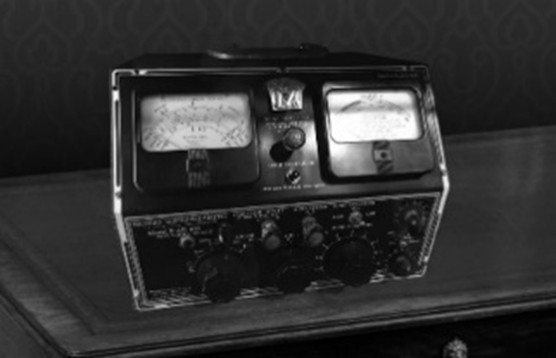
During the Cold War, there was a purge of 2SLGBTQI+ individuals – known as the “lavender scare” in the United States – over concerns they could be vulnerable to blackmail by Soviet agents. Canadian scientists purportedly developed a “fruit machine” to detect gay men by measuring their pupil dilation on viewing homoerotic material (see Figure 2). The machine was ultimately discredited and discontinued in 1967 after two decades of systematic persecution that had lifelong effects on the people targeted.
It is worth noting that homosexuality was largely decriminalized in 1969 and delisted as a mental disorder in the 1974 Diagnostic and Statistical Manual for Mental Disorders (DSM) II.16 However only in 1996 did same-sex couples in the CAF become eligible for family benefits, and it took until 2005 for same-sex marriage to be legalized across Canada.
Since then, the CAF “has recognized same-sex marriages and common-law unions as equal to all other married or common-law serving members. These couples are supposed to receive the same formal benefits as heterosexual couples.” 17
Figure 2 – Canada’s “Electropsychometer” or “Fruit Machine”
Source: Government of Canada, Pride in Service.
In 2016, CAF members Todd Ross, Martine Roy and Alida Satalic, who had been released from the CAF because of their sexual orientation, launched a national class‑action lawsuit against the CAF, RCMP and federal public service for continuing discrimination on the basis of sexuality. The lawsuit resulted in a settlement that included an overall amount of $145 million, of which $110 million was set aside for victims’ claims.18 In 2017, Prime Minister Justin Trudeau apologized for “Canada’s role in the systemic oppression, criminalization, and violence against the lesbian, gay, bisexual, transgender, queer, and two-spirit communities.” 19 That same year, CAF released a diversity action plan and proactively welcomed transgender soldiers into their ranks on social media. (There had been an official CAF transgender policy in place since 2012, and the Diagnostic and Statistical Manual of Mental Disorders delisted “gender identity disorder” in 2013.)20
While the CAF includes 2SLGBTQI+ members in its retention strategy, it has not identified specific numerical targets for 2SLGBTQI+ representation.21 By way of comparison, VAC has reported that 4.0% of veterans identify as 2SLGBTQI+, specifically 3.2% among men+ and 8.7% among women+.22 Given the history of oppression of 2SLGBTQI+ members in the CAF, some researchers have noted that these “individuals do not want to come forward and be counted.” 23 They believe that, as was the case for women members, the CAF needs to embrace cultural transformation if it wishes to recruit and retain more 2SLGBTQI+ individuals.
Women’s bodies differ from men’s and so it is to be expected that women veterans report different health conditions when compared to men. This is not disadvantageous unless these conditions are not fully recognized.
Women veterans are more likely than men to have experienced physical injuries such as chronic pain, service-related infertility and pelvic-floor dysfunction. Because many women’s conditions are less familiar to military doctors who have more experience of men’s anatomy, women have previously faced challenges in receiving VAC benefits.24 In an effort to address gaps in care, in 2022, VAC published new entitlement eligibility guidelines for women veterans and those needing “gender affirming care.” 25
Some of the unique health circumstances faced by women veterans may be traced to the use of military equipment designed for men. Issues such as overly wide rucksack straps and flat ballistic vests have been shown to cause repetitive strain injuries for women. In some cases, women CAF members have even undergone breast reductions or mastectomies to properly fit into their equipment. During testimony before the House of Commons Standing Committee on Veterans Affairs (ACVA), a witness described one member’s complaint:
I had my breasts basically removed to fit my kit. Yes. Having a surgically modified chest designed specifically to be flatter has helped me better fit my kit and that is super messed up because women shouldn’t have to cut their boobs off to be able to do basic military tasks without the injury risks.26
The Department of National Defence (DND) committed to having contour and maternity uniforms available for women by December 2024, although there has been no follow-up announcement. Indeed, the department has claimed that
industry is not currently able to provide certain specialized items to meet the needs of CAF women, such as curved ballistic plates. DND/CAF is committed to procuring personal military equipment, including developing and designing these items that can fit all physiologies, including female, when such equipment exists.27
However, some women’s military equipment has been available in the United States since at least 2013, and in the United Kingdom and Australia since at least 2022 (see also section 5 of this HillStudy).28
In contrast to men veterans, women veterans proportionally experienced more depression, social phobias, panic and anxiety disorders, including post-traumatic stress disorder (PTSD), as well as more suicidal ideation (though less suicides) during their service. Compared to women in the Canadian general population, their risk of suicide is almost double. In addition, women veterans continue to experience more depression, mood and anxiety disorders relative to serving CAF women.29 Since 1998, there have been increasing academic studies on the long-lasting psychological and physical harms of military sexual trauma (MST).30
Statistics Canada notes that 4.4% of Canadians over 15, or 1.3 million individuals, identified as 2SLGBTQI+ in 2021, including 10.5% of youth under 25 years. 2SLGBTQI+ individuals are three times more likely to report fair or poor mental health compared to non-2SLGBTQ+ individuals due to “chronic stress related to social stigma, discrimination and the internalization of negative societal attitudes.” 31
This stigma is strong in the Canadian military. The purge of 2SLGBTQI+ members is said to have caused “suicide, HIV, fear, depression, PTSD, and addiction” among other painful experiences.32 While there is little research on the mental health of 2SLGBTQI+ veterans in Canada, some U.S. research has noted that “LGB veterans have higher rates of PTSD, depression, and problematic alcohol use relative to a Veterans Affairs comparison sample.” 33
In 1995, the CAF introduced Sexual Harassment and Racism Prevention (SHARP) training. However, sexual misconduct was not recognized as a systemic issue until 2015, when former Supreme Court of Canada (Supreme Court) justice Marie Deschamps found “an underlying sexualized culture in the CAF that is hostile to women and LGBTQ members, and conducive to more serious incidents of sexual harassment and assault.” 34 This was observed across all branches of the CAF, despite subcultural differences between the Canadian Army, Royal Canadian Navy and Royal Canadian Air Force. Furthermore, the CAF discouraged reporting, and the outcomes were usually worse for the survivor, such as the loss of career progression, than the perpetrator, who might face nothing more than a requirement for further training.
As one survivor testified at ACVA:
I attended basic training in Saint-Jean, Quebec, in 2009. … I was drugged, kidnapped and gang-raped while attending mandatory training. The last thing I remember is dozing off in class after our lunch break in the cafeteria, and waking in complete fear in an unknown location, with motel staff waking me. I was completely naked, with no identification, covered in blood and bruises, and I couldn’t walk. While the military government covered up a crime, the criminals climbed the ranks.35
Justice Deschamps made 10 recommendations to change CAF culture.36
In 2022, former Supreme Court justice Louise Arbour conducted a review “into current policies, procedures, programs, practices, and culture within the DND and the CAF,” making 48 recommendations to realize an inclusive culture for women, 2SLGBTQI+ and other marginalized groups.37 In the intervening seven years, there have been at least 11 external reviews and reports relating to systemic sexual misconduct in the CAF and the RCMP (see Table 1).
Source: Table prepared by the Library of Parliament.
The 2020 report by former Supreme Court Justice Michel Bastarache addressed the implementation of the settlement of two class-action lawsuits launched in British Columbia in 2012 and Ontario in 2015. These were certified as the Merlo Davidson joint class action lawsuit, covering women and 2SLGBTQI+ members of the RCMP who experienced harassment or discrimination between 1974 and 2017. Over 2,000 awards of between $10,000 and $220,000 were approved, including for “131 cases of outright rape.” 38
In 2016 and 2017, there were similar class actions against the CAF and DND. These lawsuits alleged sexual harassment, sexual assault, or discrimination based on sex, gender, gender identity, and sexual orientation within the CAF and the Department of National Defence. These cases were consolidated by the Federal Court in 2019 as the Heyder Beattie class action lawsuit, which was settled in November 2019. Under this settlement, a total of $900 million is available to victims. Almost 24,000 claims were approved; compensation ranged from $5,000 for sexual harassment to $100,000 for physical or mental injuries for which no VAC benefits were paid.39 By comparison, between 2000 and 2020, 246 sexual misconduct cases went to court martial. In addition, the military’s conviction rate for sexual assault between 2015 and 2018 was 14%, compared to 42% in civilian courts.40
In 2022, Anita Anand, the second woman to be appointed Minister of National Defence, instructed DND and the CAF to move forward on all of Justice Arbour’s recommendations, including the appointment of an external monitor. That same year, a monitor was appointed, and DND implemented a Military Sexual Trauma Peer Support Program.41
Since 2022, the monitor has released four status updates. The November 2024 report states that all 48 recommendations have been actioned, with some fully implemented and others remaining a “work in progress.” One of the impediments to assessing progress, however, is insufficient data:
[T]he data required to fully understand the scope of the problem and whether or not organizational changes have had the desired effect is missing … [C]urrently, this situation is preventing the organization from fully understanding the breadth and nature of the problem that it is trying to rectify.42
The monitor believes that
[i]t may be helpful at this time to take a step back to determine where the chances of instilling real change are the greatest and to realign resources accordingly, while respecting the intent of external recommendations.43
Statistics Canada’s most recent survey on sexual misconduct, carried out in 2022, found that 7.5% of women in the regular forces experienced sexual assault in the previous 12 months. This was an increase from 4.3% in 2018 (it had been stable since 2016). According to the 2022 survey, sexual assault was also more prevalent among non-heterosexual members (8.8%). About four in five survivors did not report the sexual assault, primarily because they thought “it would not make a difference.” 44
In addition, the same survey notes that 34% of all women, 45% of non-heterosexual women and 32% of non-heterosexual men in the regular forces faced sexualized or discriminatory behaviour in the preceding 12 months. Over half of the women survivors of sexualized (53%) or discriminatory behaviour (61%) experienced depression or anxiety as a result. On a more positive note, 75% of regular force members (including 69% of women members) agreed that the culture regarding sexual misconduct had improved since they had joined the CAF.45
To compare the situation within the CAF with that observed more generally in Canadian workplaces, Statistics Canada data show that, in 2020, 13% of Canadian women surveyed reported ever experiencing sexual assault in a work-related setting, 44% reported inappropriate sexualized behaviour and 20% reported discriminatory behaviour. In addition, 27% of heterosexual women, 60% of “LGB women” and 37% of “LGB men” reported having experienced harassment or sexual assault in the workplace in the previous year.46
Military sexual trauma can result in a difficult transition to civilian life as well as an early exit from CAF. The latter reduces one’s service pension, which in turn makes transition more difficult.47
Women in the CAF typically experience a more difficult transition to civilian life compared to men. According to VAC’s Canadian Veteran Health Survey 2022, women+ veterans are more likely to report “fair/poor” mental health than men+ veterans (24.7% vs. 20.5%, respectively).48 Furthermore, women veterans experience higher medical release rates than men veterans (47% vs. 30%, respectively).49
They also have higher part-time employment rates than men veterans (10.8% vs. 5.5%).50 This goes some way in explaining the reduced labour-market earnings of women veterans compared to men veterans three years post release: women veterans’ labour-market earnings were 53% less than at pre-release, compared to a decline of 36% for men veterans (see Figure 3 below).
Figure 3 – Average Labour-Market Earnings of Canadian Armed Forces Veterans Before Release and Three Years After Release, by Sex

Source: Figure prepared by the Library of Parliament using data obtained from Veterans Affairs Canada, Pre- and Post-release Income of Regular Force Veterans: Life After Service Studies 2019  (714 KB, 44 pages), 1 May 2021, p. 29.
In addition, women CAF veterans contend with lower average total incomes three years following their release. This is largely because their shorter average length of service results in lower military pensions.51 The average total income52 of women CAF veterans three years following release fell by 19% compared to virtually no decrease (a 0.2% decline) for men veterans (see Figure 4 below).
Figure 4 – Average Total Income of Canadian Armed Forces Veterans Before Release and Three Years After Release, by Sex

Source: Figure prepared by the Library of Parliament using data obtained from Veterans Affairs Canada, Pre- and Post-release Income of Regular Force Veterans: Life After Service Studies 2019 (714 KB, 44 pages), 1 May 2021, p. 29.
Women CAF veterans also experience a higher rate of low-income before tax one year after release compared to men veterans (21% vs. 17%, respectively), as determined by Statistics Canada’s low-income measure in 2017.53
Canada had a higher percentage of women veterans in 2021 (16.2%) than either Australia (13.5%), the United Kingdom (13.6%), or the United States (11.3% in 2023). At the same time, the United States has the largest number of women veterans at 2.1 million, while Australia has 77,870, the United Kingdom 251,400 and Canada about 75,000.54 The issues that Canadian women veterans face regarding physical and mental health, MST and post-transition challenges are generally shared with these countries.
In Australia, women veterans of working age are more likely to be unemployed than men veterans.55 The 2024 Royal Commission into Defence and Veteran Suicide found that the Australian Department of Defence had “failed to deliver deep systemic change” to reduce sexual misconduct in the Australian Defence Force (ADF), and had not put in place any mechanism to identify its prevalence or trends.56 That said, 133 sexual assaults in the ADF were publicly reported in 2022–2023. The Australian Department of Veterans’ Affairs further noted that women veterans are twice as likely to die by suicide as civilian women and more likely to report a long-term health condition, particularly arthritis or a mental health issue.57 However, the department highlighted progress in recognizing women’s service-related injuries and noted that “[v]eteran[-]led research exploring women veterans’ experience of [the] ADF as [a] gendered institution” is underway.58
In the United Kingdom, the House of Commons Defence Sub-Committee on Women in the Armed Forces launched an inquiry into the experiences of women veterans and service personnel in 2020. In 2021, it published its report entitled Protecting those who protect us: Women in the Armed Forces from recruitment to civilian life.59 As part of its inquiry, the subcommittee undertook an anonymous survey of over 4,000 women veterans and service personnel. It found that 64% of women veterans and 58% of women service personnel reported personally experiencing bullying, harassment or discrimination during their service, with around six in ten of respondents saying they had not reported the incidents.60 The subcommittee made 40 recommendations, including several that address women’s gender-specific health and employment challenges. It also acknowledged ongoing trials of safer, more appropriate equipment for women service personnel and recommended that this be rolled out to all women service personnel by the end of 2022. The chair of the subcommittee summed up the state of military culture in the Armed Forces by stating, “it is clear to us that the military is, in many ways, a man’s world.” 61
At a March 2025 Defence Committee meeting, an official of the Ministry of Defence confirmed that it has or will implement all of the report’s recommendations with the exception of recognizing MST and referring all cases of sexual offences to civilian authorities. Regarding jurisdiction over sexual offences, the ministry pointed out that survivors have the option to choose the military or civilian system of justice to pursue their case. The Chief of the General Staff admitted that there “is an association of masculinity with soldiering … We have to recognise that that is a barrier to integration. We have to find a way to begin the decoding of that association and a recoding around professional behaviours and operational impact.” 62
The United States had over one million women veterans in 1980 and has spearheaded services designed for women veterans since that time. In 1984, President Reagan announced Women Veterans Recognition Week. In 1994, Congress created the Center for Women Veterans, and MST was recognized in law.63 In 1997, the Military Women’s Memorial was completed at Arlington.64 In 2011, a confidential Women Veterans Call Center opened. The U.S. Army began stocking limited supplies of female body armour soon after women joined army combat units in 2016.65 While the Female Body Armor Modernization Act of 2019 was not passed, progress continued with the U.S. Army’s acquisition of lighter armour and better fitting helmets.66
Despite these efforts, U.S. women veterans still tend to have lower salaries and longer periods of unemployment than men veterans.67 Researchers also note that according to interviews with women veterans, women in the U.S. military “remain disproportionately subjected to gender-based discrimination and harassment, continue to live in fear of MST, and continue to feel marginalized in a male‑dominated environment.” 68
The United Kingdom, Australia and Canada ranked in the top six (in second, fifth and sixth position, respectively) in The Hague Centre for Strategic Studies’ LGBT Military Inclusion Index in 2014, while the United States ranked in 40th place.69 There has been some acknowledgement of past wrongs in all these countries, and the United Kingdom has done the most to atone.
The U.K. government apologized for the ban on lesbian, gay and transgender (LGBT) soldiers in 2020, on the twentieth anniversary of the lifting of the ban. In 2023, Lord Etherton70 published an independent review of the experiences of LGBT veterans of the United Kingdom’s Armed Forces who served between 1967 (when homosexuality was largely decriminalized) and 2000. The review noted that those perceived to be LGBT, “even if they were not in fact,” had been banned as well.71 Some veterans testified that conversion therapies using “electro-compulsive treatment” and drugs were attempted.72 In 2024, the U.K. government launched a £75 million LGBT financial recognition scheme, with individual awards up to £70,000 to redress these wrongs.73 The report also called for a memorial dedicated to LGBT personnel. The memorial was unveiled by King Charles III in October 2025 at the National Memorial Arboretum.74
The Australian Army formally banned homosexuality in 1944, at the request of the U.S. military; lesbian and bisexual women were disproportionately targeted.75 Suspected lesbian, gay, or bisexual (LGB) people were surveilled, interrogated and discharged in “witch hunts.” Like Canada, Australia was among the first to lift the ban on LGB soldiers in 1992 when Australia’s cabinet overruled the ADF on the grounds that it violated the International Covenant on Civil and Political Rights (after a complaint to the Commonwealth Human Rights and Equal Opportunity Commission). It took another human rights ruling for the ADF to admit transgender individuals in 2010. Australia lagged about a decade behind Canada, with the ADF extending family benefits to same-sex service members and veterans in 2009.76 Same-sex marriage was recognized across Australia in 2017.77
In the United States, the “lavender scare” did not publicly identify individuals, but it resulted in military discharge, financial strain, emotional distress and suicide.78 The Lavender Offense Victim Exoneration Act of 2019, which would have led to both a formal apology and a reconciliation board to review grievances over wrongful termination, did not proceed. Nevertheless, the U.S. Department of Veterans Affairs recognizes the increased risk of substance use and mood disorders, as well as suicide, for the approximately one million veterans who identify as 2SLGBTQI+.79
The U.S. military’s total ban on gay men and lesbians serving remained in effect until 1994, when it was replaced by the “Don’t Ask, Don’t Tell” policy. That policy prevented open expression of sexual orientation and remained in force until September 2011.80 Same-sex marriage became legal in the United States in 2015. Transgender individuals were officially accepted into the U.S. military in 2016 but were banned again in 2019. The 2019 ban was reversed in 2021 and reinstated in 2025 under a presidential executive order.81
In sum, women and 2SLGBTQI+ veterans in Canada continue to be disadvantaged compared to the general veteran population, much like women and 2SLGBTQI+ veterans in Australia, the United Kingdom and the United States.
Women veterans continue to face poorer outcomes following their transition to civilian life, including lower incomes, compared to men veterans. They are also more likely to suffer from repetitive strain injuries and mood disorders. 2SLGBTQI+ veterans report higher rates of psychological health issues compared to the veteran population as a whole. Finally, military sexual trauma continues to negatively affect the mental and physical health of both women and 2SLGBTQI+ veterans.
(3.55 MB, 156 pages), Fifteenth report, June 2024. [ Return to text ] (3.55 MB, 156 pages), Fifteenth report, June 2024, p. 13. [ Return to text ] (545 KB, 14 pages), Service paper, Canadian Forces College, 2018. [ Return to text ] (8.47 MB, 90 pages), Report, 6 October 2022, p. 7. [ Return to text ] (470 KB, 64 pages), Report, 27 June 2025. [ Return to text ] (168 KB, 5 pages), Policy Brief, Vol. 7, No. 4, September 2021; and Carmen Poulin, Lynne Gouliquer and Jessica McCutcheon, “Violating Gender Norms in the Canadian Military: The Experience of Gay and Lesbian Soldiers,” Sexuality Research and Social Policy, Vol. 15, No. 1, March 2018, pp. 63–70. [ Return to text ] (370 KB, 41 pages), 10 October 2024. [ Return to text ] (370 KB, 41 pages), 10 October 2024. [ Return to text ] (470 KB, 64 pages), Technical report, 27 June 2025. [ Return to text ] (3.55 MB, 156 pages), Fifteenth report, June 2024, p. 103. [ Return to text ] (168 KB, 5 pages), Policy brief, Vol. 7, No. 4, September 2021. [ Return to text ] (470 KB, 64 pages), Technical report, 27 June 2025, p. 14. [ Return to text ] (470 KB, 64 pages), Technical report, 27 June 2025, p. 23. [ Return to text ] (714 KB, 44 pages), 1 May 2021, p. 30. [ Return to text ] (3.55 MB, 156 pages), Fifteenth report, June 2024, p. 13; Australia, Department of Veterans’ Affairs, Meeting the unique needs of female veterans, 5 April 2024; Australia, Department of Veterans’ Affairs, Census reveals nearly 600,000 veterans in Australia; United Kingdom, Office of National Statistics, Characteristics of UK armed forces veterans, England and Wales: Census 2021, 3 February 2023; and United States, Department of Veterans Affairs, Serving her country: Exploring the Characteristics of Women Veterans. [ Return to text ] (1.73 MB, 2 pages). [ Return to text ] (5.54 MB, 607 pages), Final report, Vol. 3, 2024, p. 24. [ Return to text ] (1.73 MB, 2 pages). [ Return to text ] (6.27 MB, 20 pages). [ Return to text ] (1.62 MB, 103 pages), Second Report of Session 2021–22, 12 July 2021. Survey respondents included 2,469 women veterans and 1,637 servicewomen. [ Return to text ] (1.04 MB, 7 pages), 2 November 1994. [ Return to text ] (211 KB, 11 pages) [ Return to text ] (153 KB, 2 pages) Women in International Security, Policy brief, January 2017. [ Return to text ] (5.36 MB, 98 pages), 27 June 2014, p. 58. This study was not repeated. [ Return to text ] (355 KB, 39 pages), House of Commons Library, Final report, 10 December 2024, p. 3. [ Return to text ] (8.26 MB, 270 pages), Final report, May 2023, p. 55. [ Return to text ]© Library of Parliament